Upcoming event
-



First, choose an event o a place to visit
Select the date from the calendar and indicate the number of people to send your booking request.
You will be contacted by our staff. Thank you.
Fill out the form with your data to confirm your booking.
Thank you. Your booking code is {{codice}}, we have sent a summary email to the address {{email}}
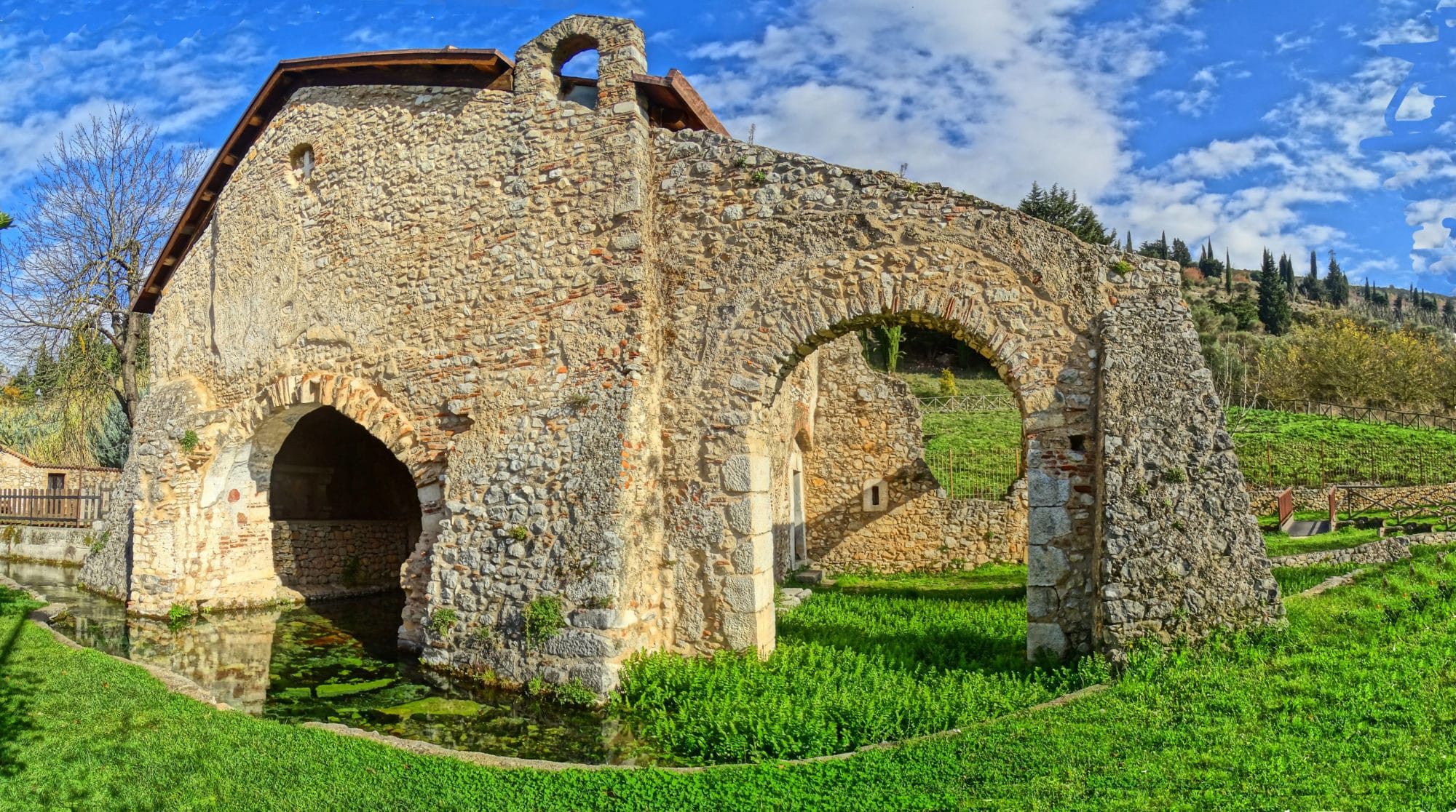
In the area of the Roman city of Cosilinum, in the Vallo di Diano, along the Via Popilia, a pagus called Marcellianum stood in Late Antiquity, likely named after Pope Marcellus I, who, in the early 4th century, was the first evangelizer of the area and had established the diocese.
The Roman city of Cosilinum is known from sources and significant archaeological finds (some archaeological materials relating to the Roman settlements of the Vallo di Diano are exhibited at the Archaeological Museum of Western Lucania, in the Certosa di Padula). Above all, several of its monuments are well known, such as its polygonal masonry walls. The settlement, which became a Roman city in 89 BC after the Social War, was initially founded as a Lucanian center, later Romanized. The area of Civita, which occupies the ancient city, is now an Archaeological Park.
Along these sites and through its sanctuaries, Marcellianum was born. The journey of Western Lucania: from the Baptistery to the Sanctuaries.
Marcellianum identifies 18 points on ancient hill and mountain routes, consisting of 18 circular itineraries located in the various towns and villages of the Vallo di Diano in the province of Salerno. In particular:
1. Baptistery of San Giovanni in Fonte, Padula
2. Sanctuary of San Michele, Sala Consilina
3. Sanctuary of the Madonna of Sito Alto, Sala Consilina
4. Sanctuary of the Madonna del Castello, Sala Consilina
5. Sanctuary of the Madonna della Colomba, Atena Lucana
6. Convent of Sant’Antonio, Polla
7. Sanctuary of the Madonna of Mount Carmel, Sant’Arsenio
8. Sanctuary of the Crucifix, San Pietro al Tanagro
9. Sanctuary of the Madonna della Tempa, San Rufo
10. Sanctuary of Saint Michael the Archangel, Teggiano
11. Sanctuary of Sant’Anna, Monte San Giacomo
12. Sanctuary of the Madonna del Carmine, Sassano
13. Sanctuary of the Madonna delle Nevi, Sanza
14. Sanctuary of the Madonna of Mount Carmel, Buonabitacolo
15. Sanctuary of the Madonna della Consolazione, Casalbuono
16. Former Capuchin Convent, Montesano
17. Church of the Madonna of Loreto, Arenabianca
18. Hermitage of San Michele alle Grottelle, Padula
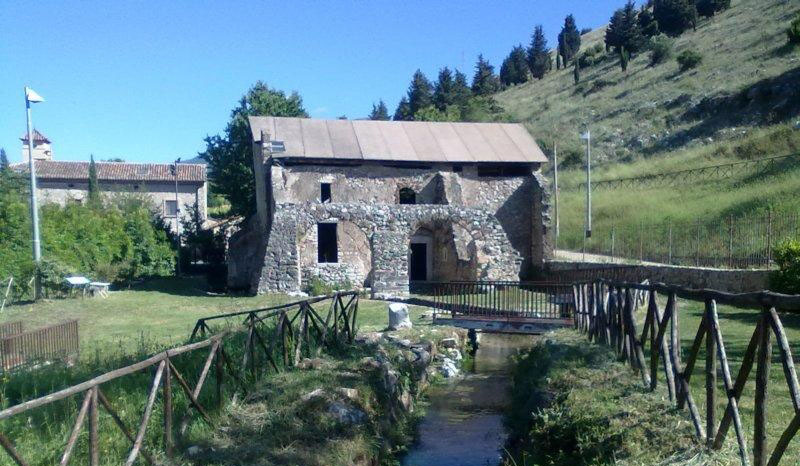
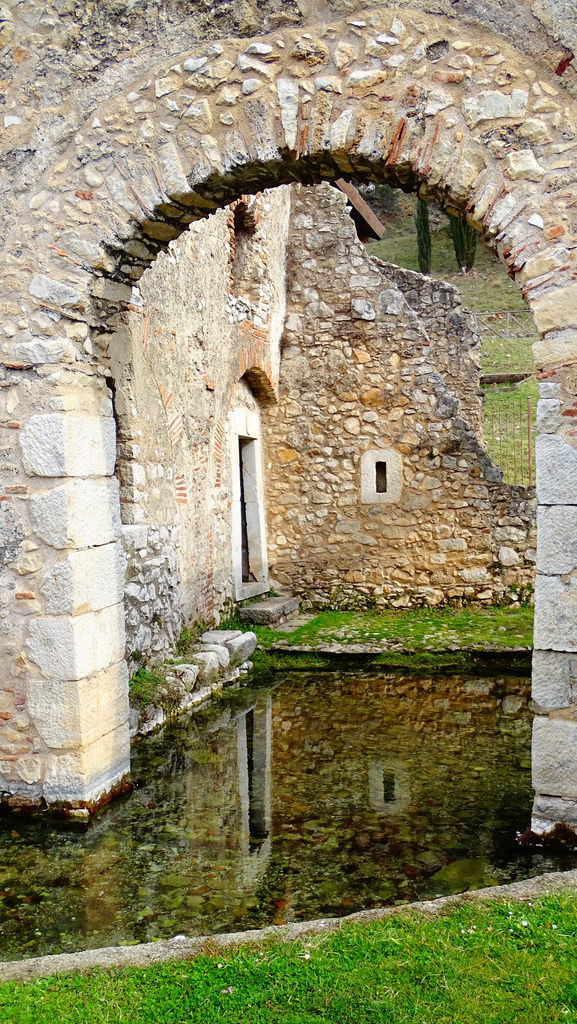
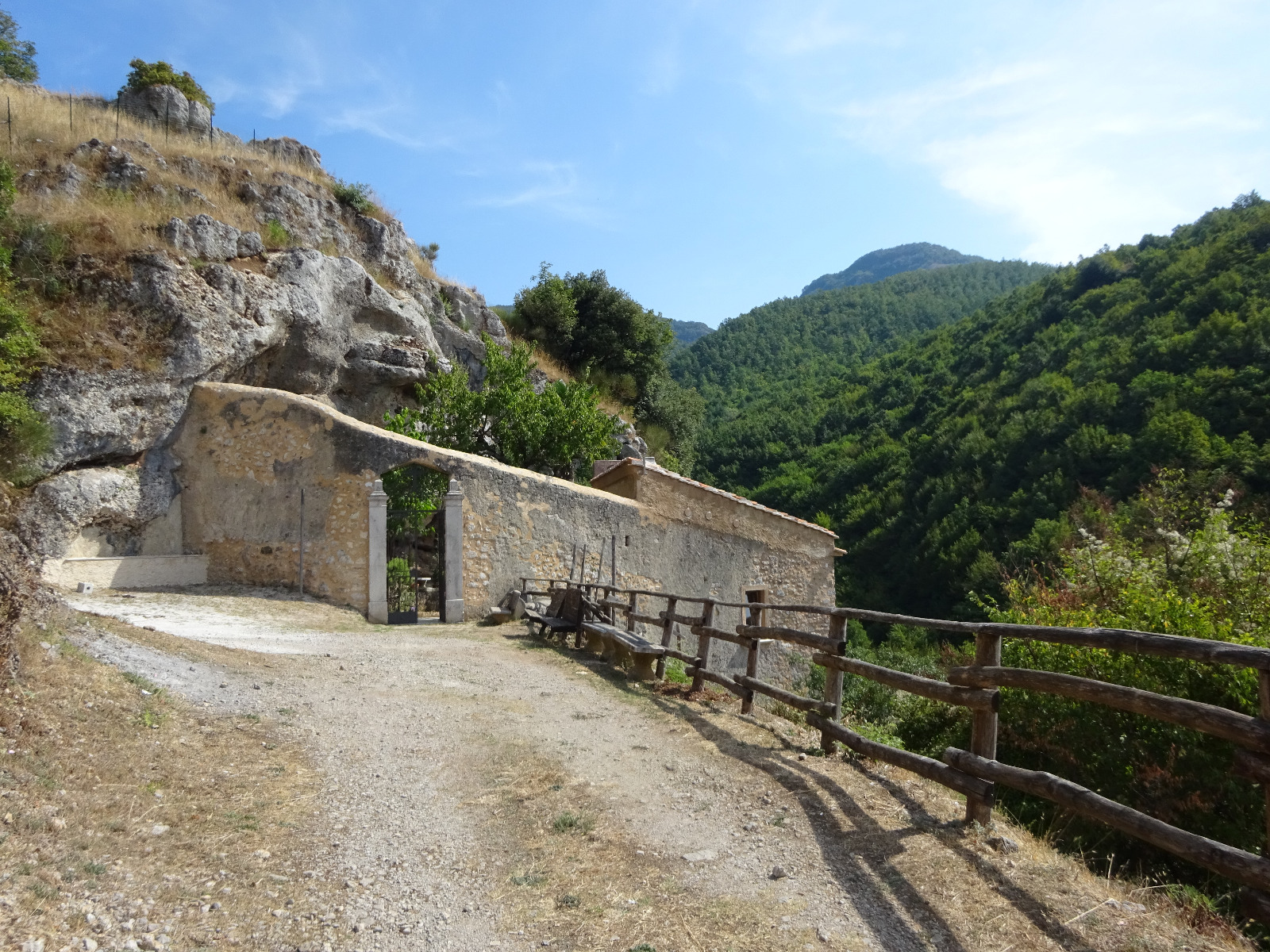
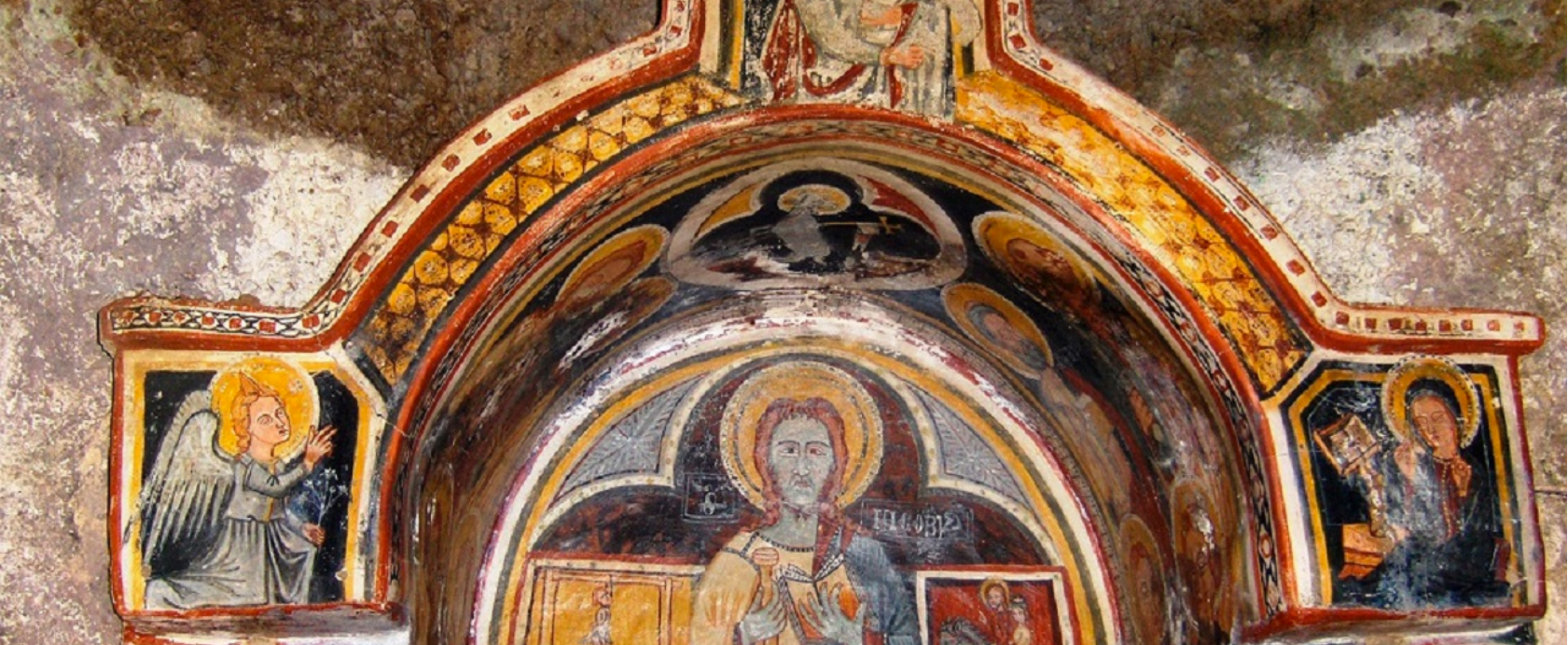
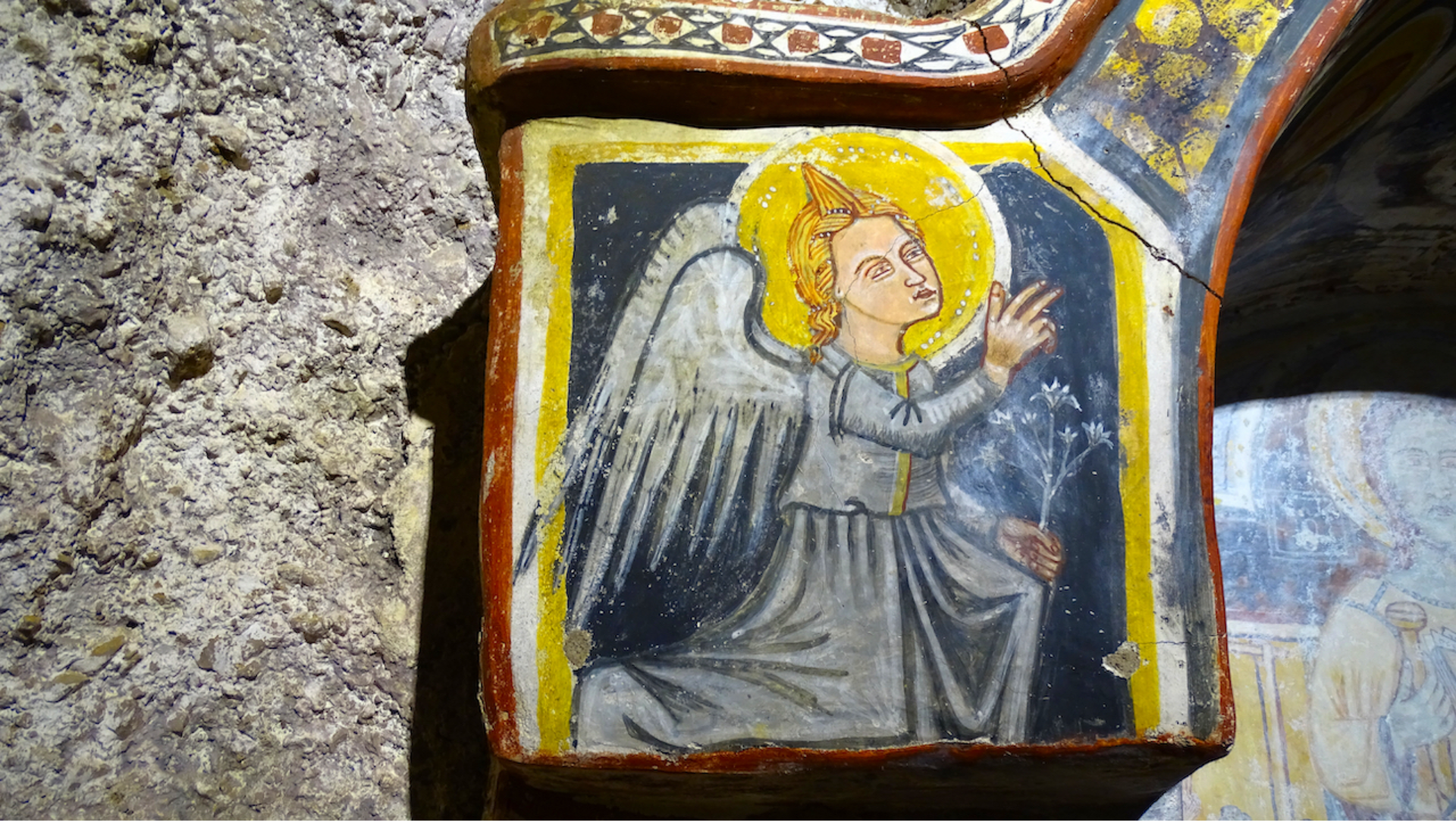
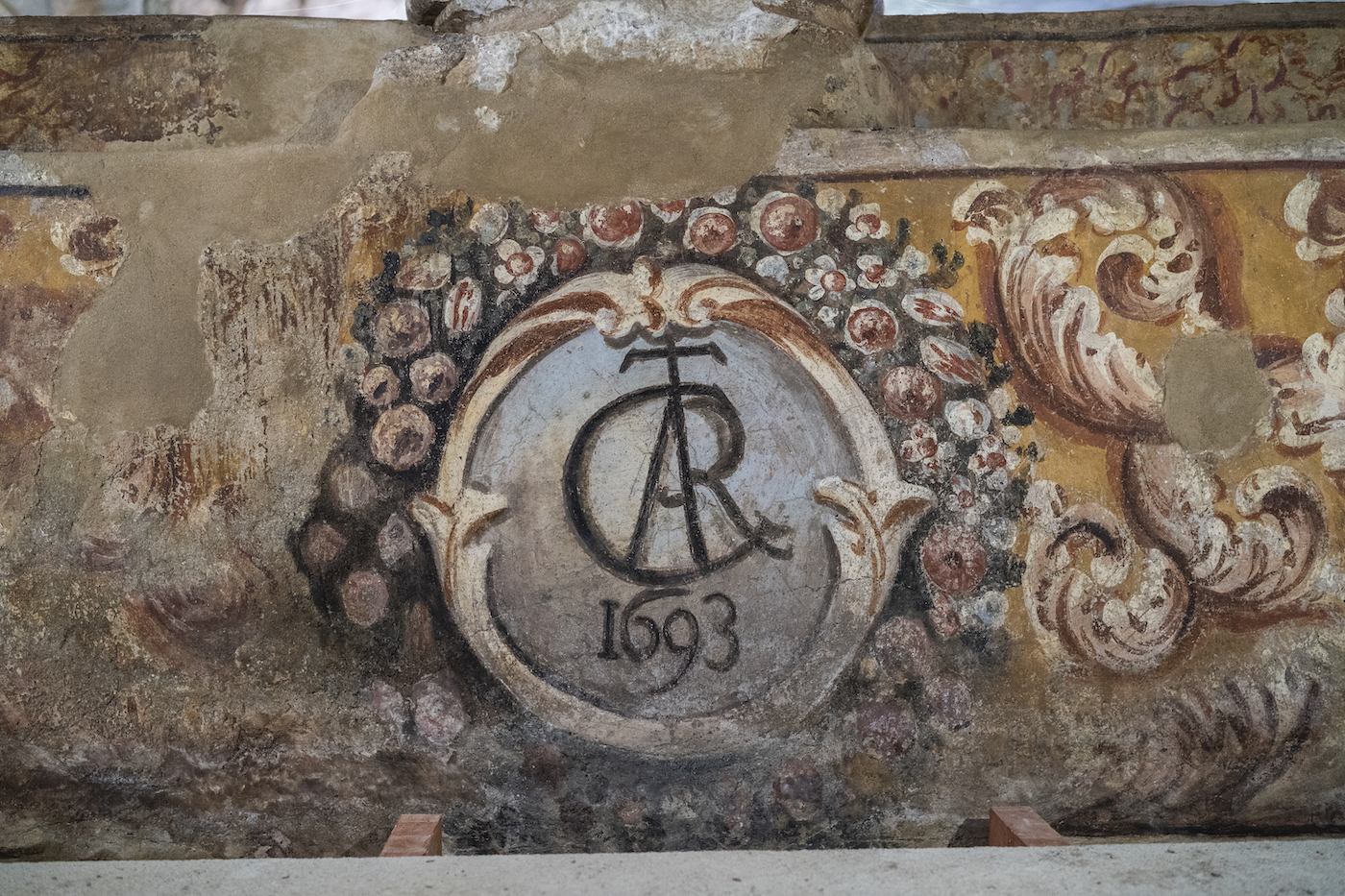
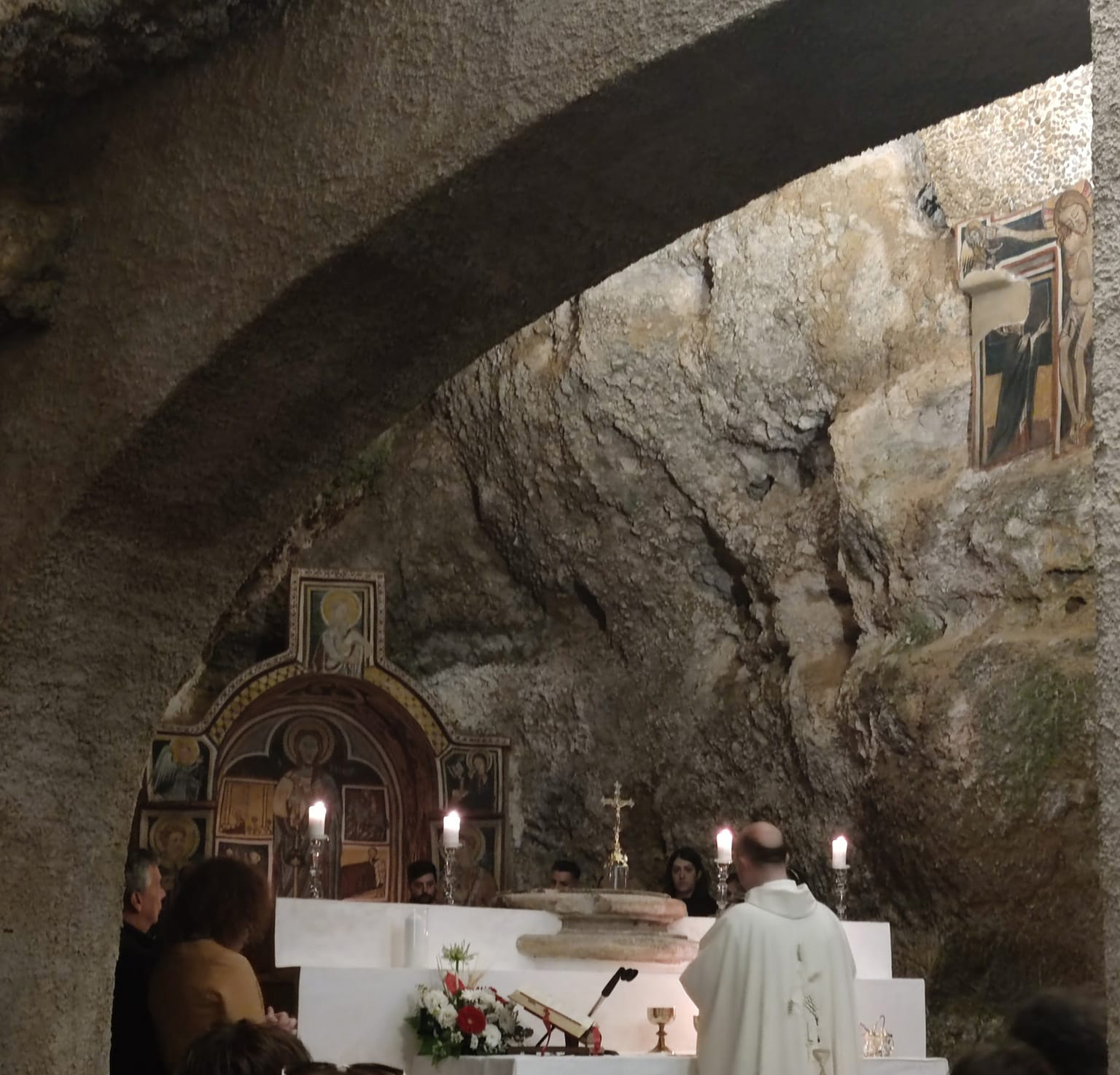
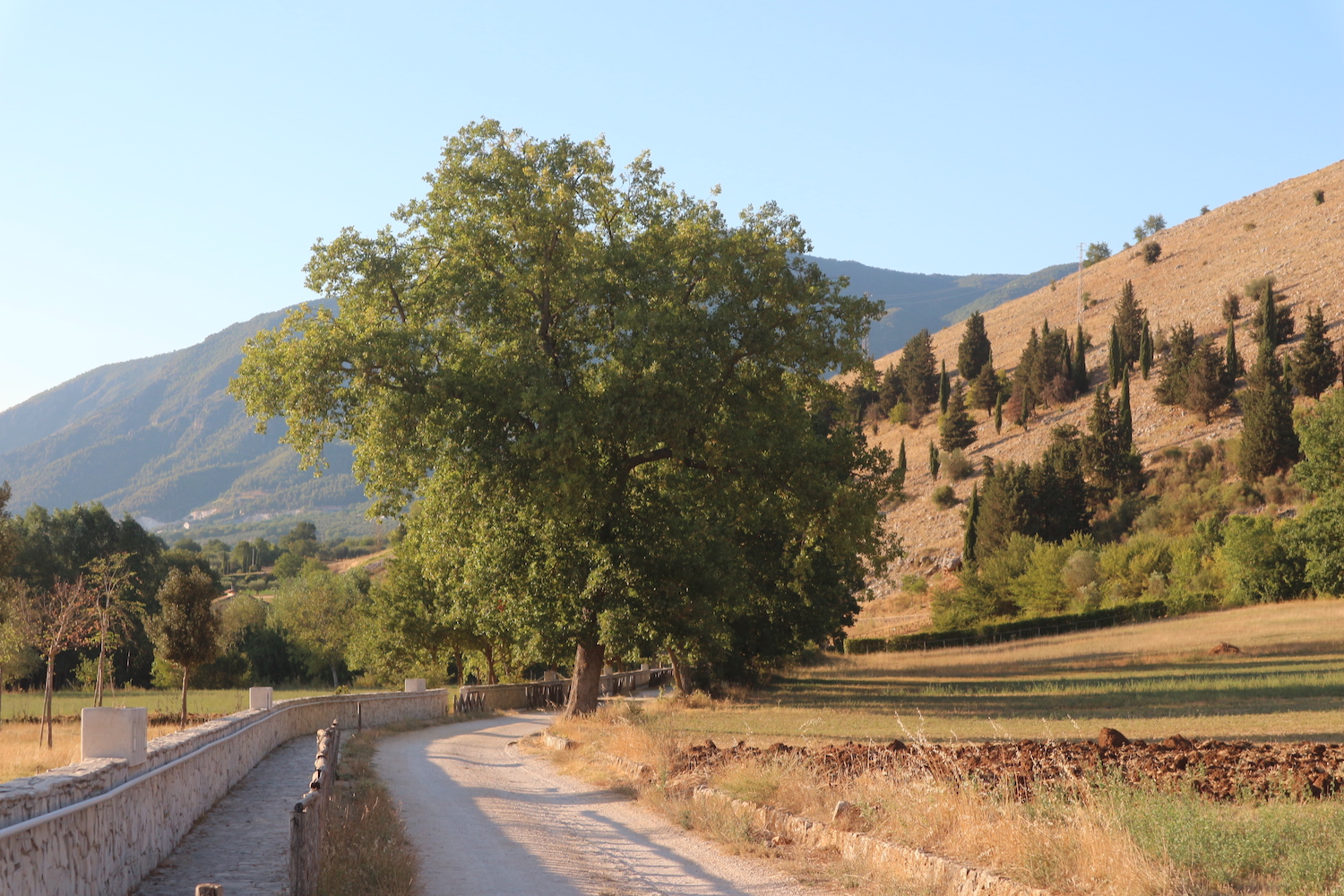
Marcellianum—the Western Lucania Trail—now links ancient hill and mountain paths, comprising 18 circular itineraries located in the area’s various towns and hamlets. The trail offers evocative views of the Vallo di Diano and allows visitors to explore the area’s ecclesiastical cultural heritage, beginning with the early Christian Baptistery of San Giovanni in Fonte.
It is advisable to wear non-bulky and breathable clothing, dressing in layers to better adapt to the weather conditions. We recommend good quality hiking shoes and socks.
The nearest motorway junction is Padula/Buonabitacolo – exit of the former A3 Salerno-Reggio C.
The nearest motorway junction is Padula/Buonabitacolo – exit of the former A3 Salerno-Reggio C.
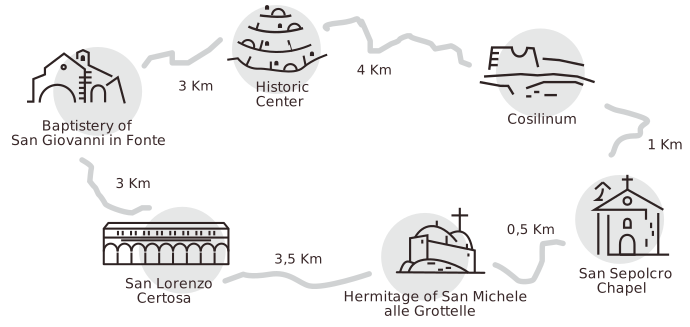
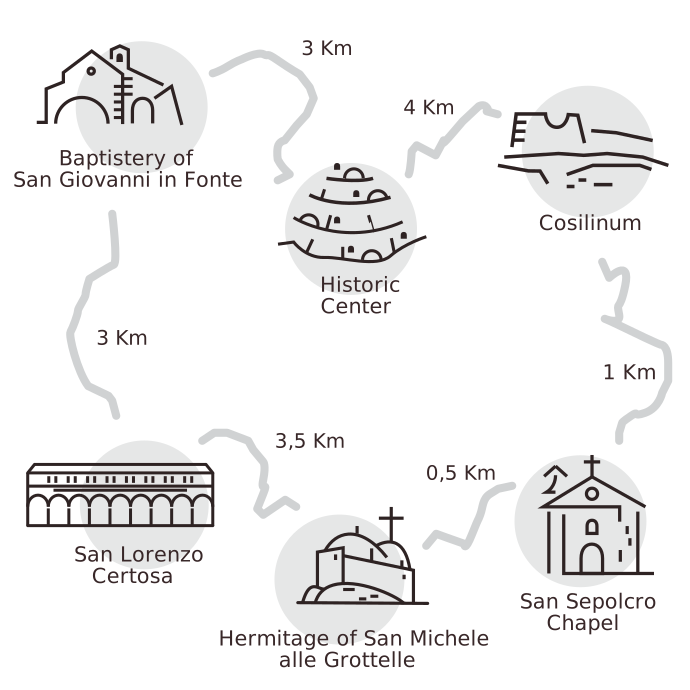
The trail winds through the Vallo di Diano, in the heart of the Cilento, Vallo di Diano and Alburni National Park. The majestic Certosa di San Lorenzo in Padula, one of the largest Carthusian complexes in Europe and a UNESCO World Heritage Site, is undoubtedly the starting or ending point for these discovery journeys.